This post may contain affiliate links. Read the full disclosure here.
The best 4th of July celebrations don’t just happen—they’re planned with intention, laughter, and games that bring everyone together. Whether you’re hosting a backyard bash or a neighborhood block party, the right mix of activities can transform an ordinary gathering into a day your family talks about for years.!
Backyard games always become the highlight of the night at our parties, and a wooden cornhole set keeps everyone entertained for hours!
Add even more fun to your celebration with these Fourth of July party planning ideas.
Check out how to create a game plan that keeps everyone entertained from the youngest toddler to your most competitive uncle.
Why 4th of July Party Games Matter for Family Fun


Games are the heartbeat of any memorable Independence Day celebration. They give people something to do between hot dogs and sparklers, create moments of pure joy, and bring generations together in ways that sitting around a picnic table just can’t match.
When you thoughtfully plan 4th of July party games, you’re doing more than filling time. You’re creating opportunities for your shy niece to shine in the water balloon toss, for grandparents to cheer from lawn chairs, and for your teens to actually put down their phones and engage with the family.
The magic happens when every person at your party finds at least one game where they feel included and excited to participate. That’s when a simple backyard gathering becomes the kind of celebration people remember and look forward to each year.
Mix Classic Lawn Games with Kid-Friendly Twists
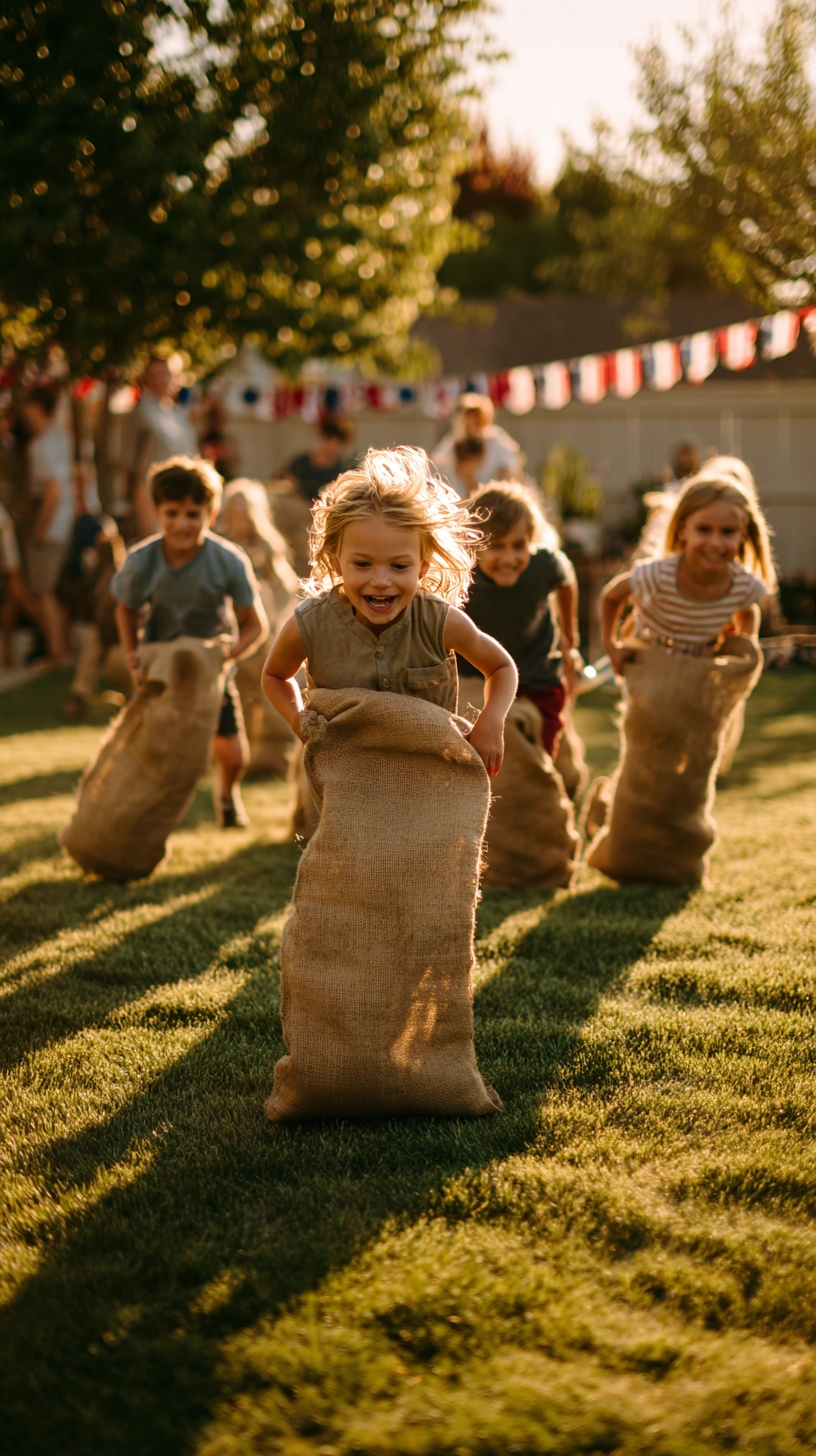

There’s a reason sack races and three-legged races have been around forever—they’re ridiculously fun and require almost no equipment. But here’s the secret: you can make these classics even better by adding simple modifications that level the playing field for younger kids.
For sack races, consider having different starting lines based on age. Your seven-year-old gets a five-foot head start while the teenagers start from farther back. Everyone crosses the same finish line, which means the little ones actually have a shot at winning instead of always eating dust.
Water balloon tosses become infinitely more exciting when you use different sized balloons for different skill levels. Give the youngest kids larger, sturdier balloons while the adults get tiny water bombs that pop at the slightest squeeze. Trust me, watching competitive dads try not to explode their miniature balloons is entertainment gold.
Here are some classic games with easy kid-friendly tweaks:
- Cornhole with boards at different distances from the throwing line
- Tug of war with adults on their knees to balance the height difference
- Relay races where kids get to ride scooters while adults have to run
- Egg and spoon races using plastic eggs filled with sand for durability
The goal isn’t to let kids win every time—it’s to make sure they have a genuine chance to succeed and feel the thrill of victory.
Create Patriotic Themed Challenges That Get Everyone Excited
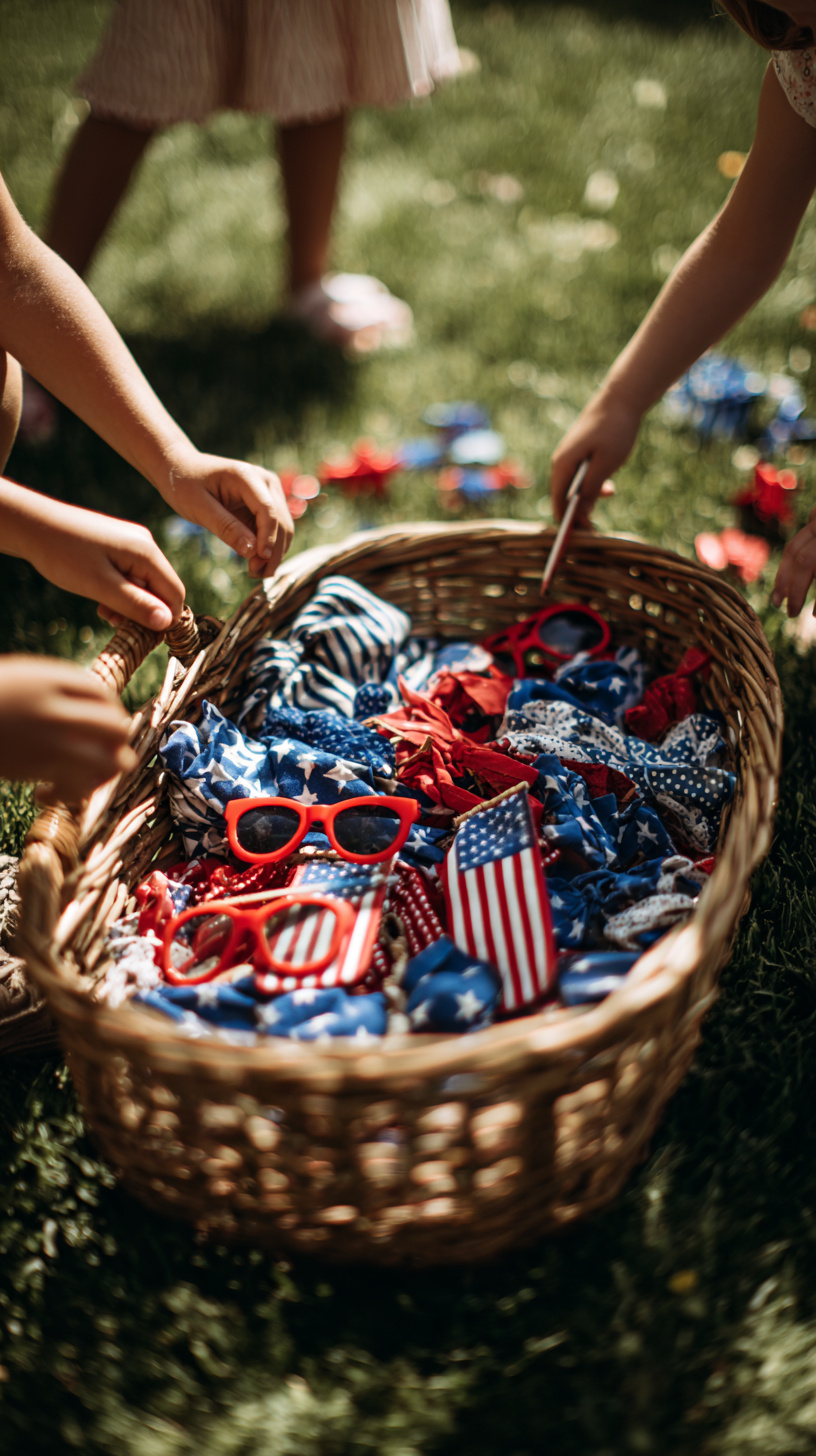

When you add red, white, and blue elements to your 4th of July party games, something wonderful happens. The activities feel special and connected to the celebration instead of just random backyard fun.
A patriotic scavenger hunt gets everyone moving and exploring. Hide red, white, and blue items throughout your yard and create teams that compete to find the most items in ten minutes. You can include things like mini flags, star-shaped sunglasses, or even just items that happen to be the right colors.
Set up a “Statue of Liberty” relay where kids balance a paper torch over their heads while walking to the finish line. If the torch falls, they have to go back to the start. It’s harder than it sounds and creates so much laughter when competitive family members try to speed-walk without toppling their torches!
Another crowd favorite is the firecracker pop game. Fill red, white, and blue balloons with small prizes or candy, tie them to a board, and let kids throw darts to pop them. Each color can have different prize levels inside, which adds an element of surprise and keeps the excitement high.
These themed challenges work because they feel intentional and festive. They show your guests that you put thought into creating an experience, not just throwing together random activities.
Plan Games for Different Age Groups and Energy Levels
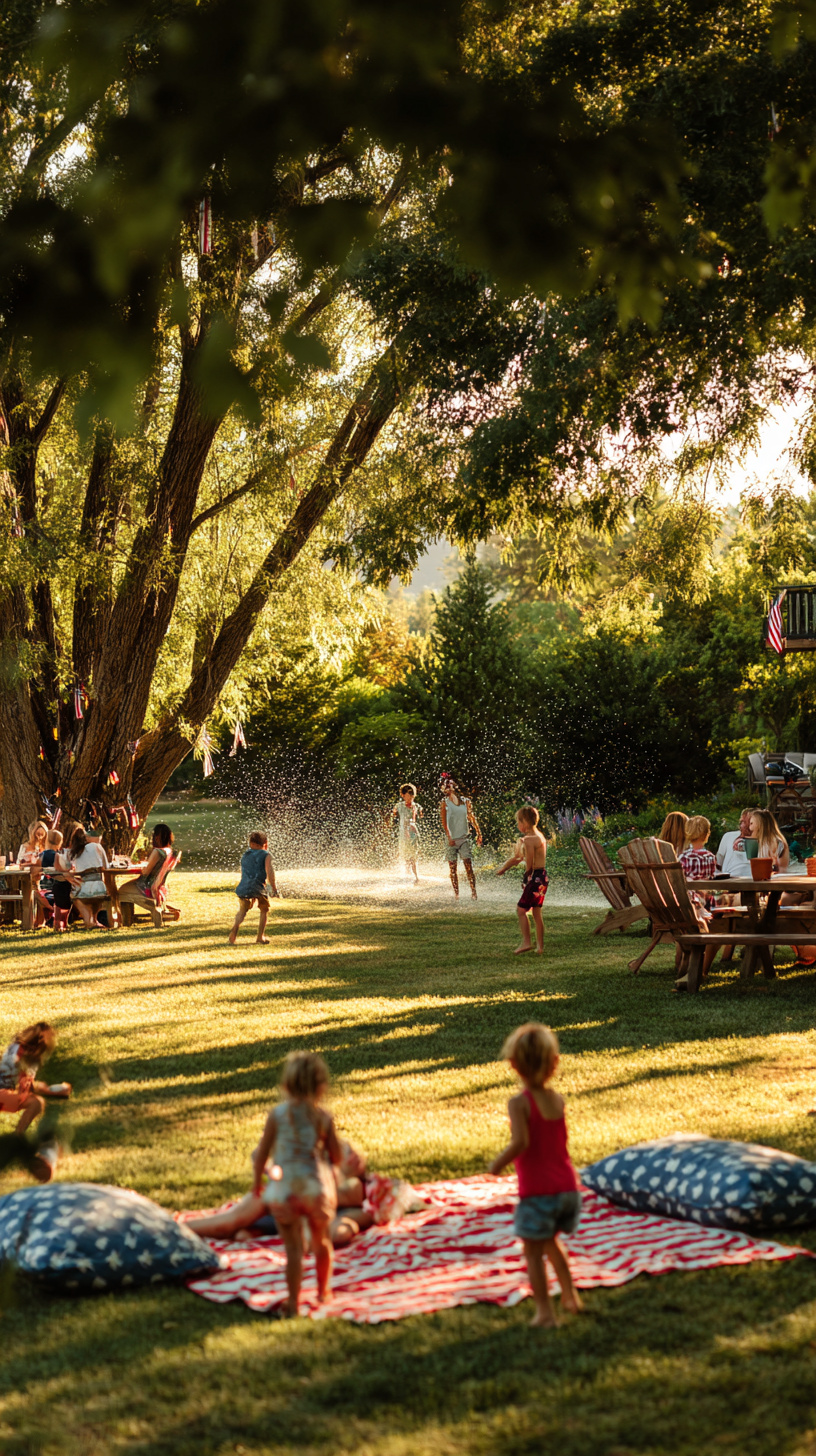
The biggest mistake people make when planning 4th of July party games is assuming one-size-fits-all activities will work. Your energetic eight-year-old and your grandmother need very different options, and that’s perfectly okay.
Start by mentally dividing your guest list into groups: toddlers and preschoolers, elementary age kids, tweens and teens, and adults. Then make sure you have at least two activities designed specifically for each group’s abilities.
For the littlest ones, simple activities like a patriotic bean bag toss with a low target or a bubble station with red, white, and blue bubble solution keep them engaged without overwhelming them. These games don’t need to be competitive—just fun and sensory-rich.
School-age kids thrive on games with clear rules and the possibility of winning. This is your obstacle course crowd, your relay race enthusiasts, your competitive cornhole players. They want to move, compete, and earn bragging rights.
Teens often feel too cool for kids’ games but too young for purely adult activities. Give them roles as game coordinators or referees, which lets them participate without feeling babyish. You can also create teen-specific challenges like a social media photo scavenger hunt with patriotic themes.
For adults and seniors, have some lower-energy options available:
- Patriotic trivia with historical questions about Independence Day
- Horseshoes or bocce ball that can be played from a standing position
- A guess-the-number-of-jellybeans jar (using red, white, and blue candies)
- Card games or dominos set up at shaded tables
When people see options suited to their energy level and abilities, they’re much more likely to join in instead of sitting on the sidelines.
Set Up Easy Stations So Games Flow Naturally
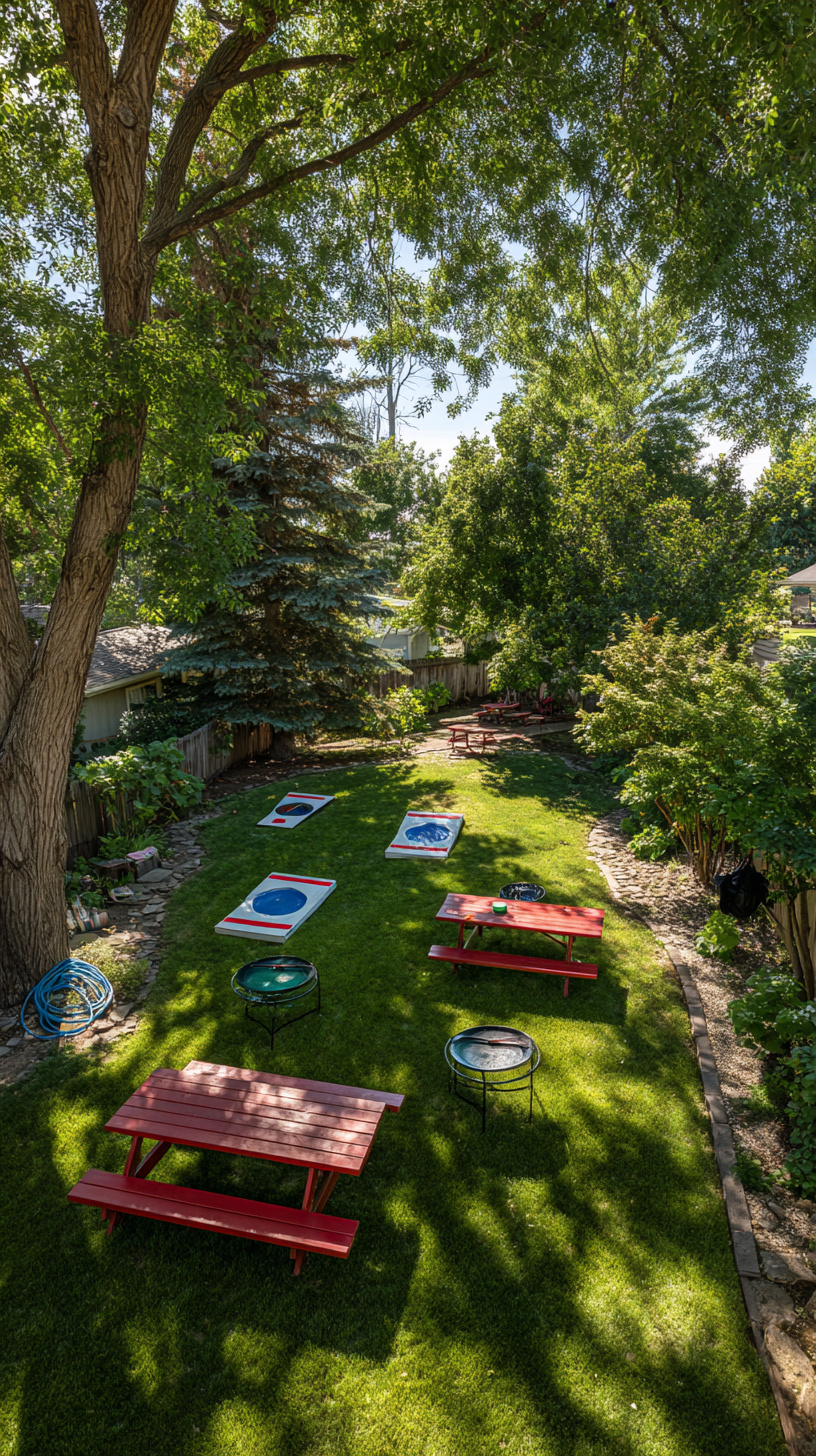
The physical layout of your 4th of July party games can make or break the flow of your celebration. Strategic placement means people naturally drift from activity to activity without you constantly herding everyone around.
Space your games throughout your yard rather than clustering them all in one area. Put the water balloon toss near your garden hose for easy refills. Set up the cornhole boards in a spot with natural shade so players aren’t squinting into the sun. Position messy games like pie-eating contests on your patio where cleanup is easier.
Create clear stations with simple signs that explain the rules and any age modifications. This way, games can run themselves without you playing activity director all afternoon. A chalkboard sign or laminated instruction card at each station works beautifully.
Think about timing too. Don’t try to run every game simultaneously or you’ll split your crowd too thin. Instead, have some games available as continuous free-play options—cornhole, horseshoes, giant Jenga—while you schedule specific times for organized competitions.
Here’s a sample timeline that creates natural flow:
- 2:00 PM – Arrival, free-play games available
- 3:00 PM – First organized relay race
- 3:30 PM – Water balloon activities (during the hottest part of the day!)
- 4:30 PM – Scavenger hunt while adults prep dinner
- 5:30 PM – Dinner break
- 6:30 PM – Final competition and prize ceremony
This approach means there’s always something happening but never so much that people feel overwhelmed or miss out. The key is creating a gentle rhythm that keeps energy up without exhausting your guests.
Gather Supplies Without Breaking the Bank
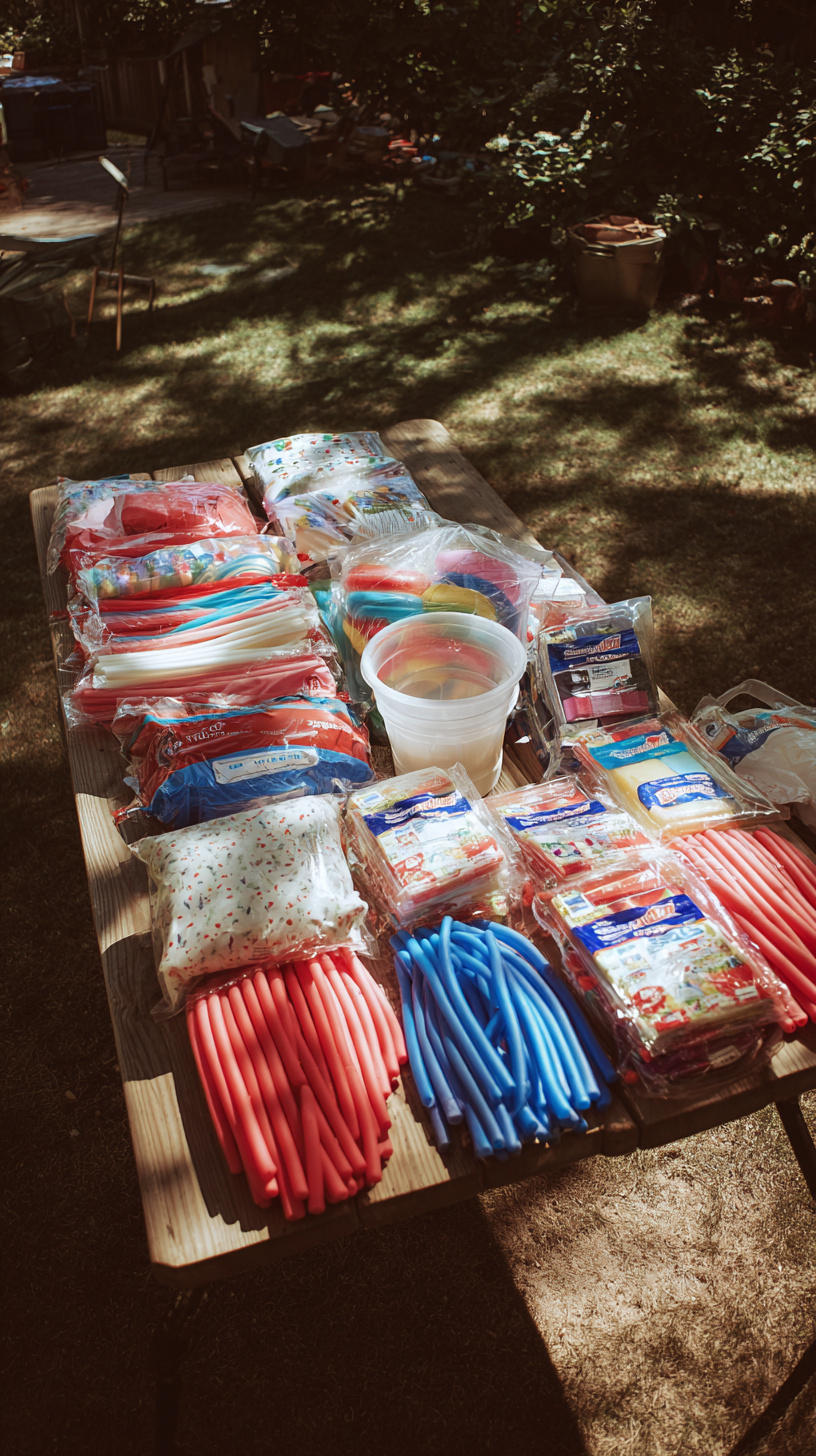
You don’t need to spend a fortune to create amazing 4th of July party games. Some of the best activities use materials you probably already have or can find at dollar stores.
For water games, regular balloons from the dollar store work just as well as fancy water balloon kits. Buy sponges and buckets for relay races instead of expensive specialized equipment. Pool noodles make fantastic obstacle course hurdles and cost about a dollar each.
Get creative with items you already own. Old pillowcases become sack race supplies. Rope from your garage transforms into a tug-of-war essential. Mason jars you’ve been saving become perfect containers for patriotic relay race challenges where kids transfer ping pong balls using only spoons.
For prizes, skip the toy store entirely and hit up dollar stores or buy in bulk online. Small American flags, patriotic stickers, glow sticks for evening fun, and individually wrapped candies make excellent rewards that kids actually enjoy.
DIY decorations for your game stations cost almost nothing:
- Paint rocks red, white, and blue for bean bag toss targets
- Use painter’s tape to create game boundaries on your lawn
- Make banners from construction paper and string
- Repurpose cardboard boxes as bases for throwing games
The most expensive supply you might need is poster board for signs, and even that’s optional if you use chalk on your driveway or sidewalk. Focus your budget on food and ice—your games will be just as fun without fancy store-bought equipment.
Make It Memorable With Simple Prizes and Celebration Moments
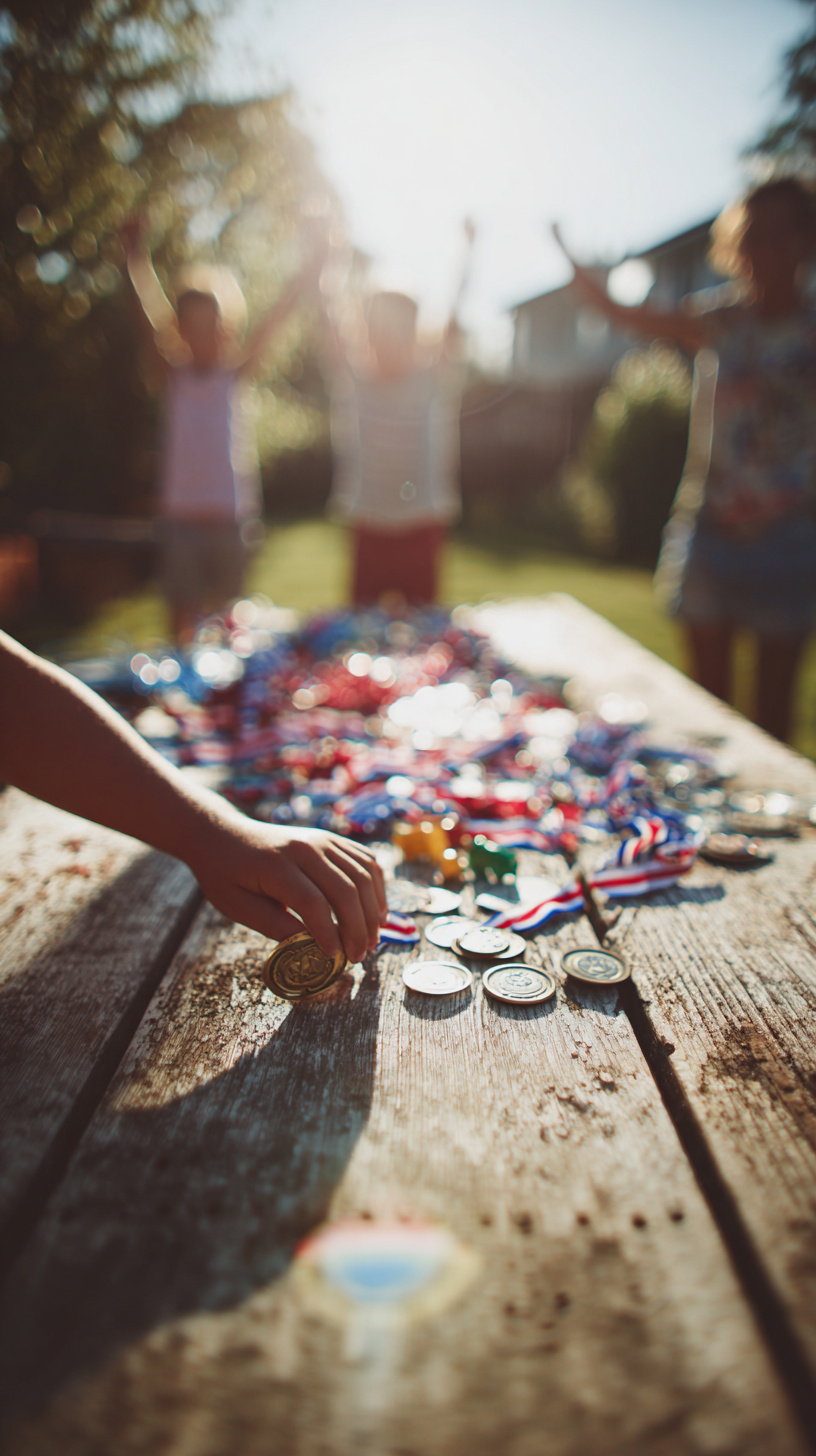
The way you celebrate winners makes a huge difference in how everyone feels about your 4th of July party games. You want competitive spirit without hurt feelings, and that balance comes from how you handle prizes and recognition.
Instead of having just first place winners, create multiple award categories. Give out prizes for first, second, and third place, but also for “best team spirit,” “most creative strategy,” “best celebration dance,” or “most improved player.” This way, almost everyone walks away with some form of recognition.
Make the prize ceremony itself a celebration. Gather everyone together, use a fun announcer voice, and make a big deal out of each winner. Let them take a victory lap or do a silly winner’s dance. These moments of recognition and laughter become the memories people hold onto.
Keep your prizes simple but meaningful. A homemade medal made from cardboard covered in aluminum foil means more to a six-year-old than an expensive toy. Certificates printed at home with fun titles like “Champion of the Water Balloon Toss” or “Master of the Relay Race” become treasured keepsakes.
For participation prizes, set up a reward station where everyone who played at least three games gets to pick a small treat. This encourages people to try multiple activities instead of sticking to just one they’re good at.
Remember that the best prize isn’t always a physical object. Sometimes it’s getting to be team captain for the next game, choosing what song plays during the next activity, or being first in line for dessert. These experience-based rewards create fun without costing you anything.
At the end of the day, your 4th of July party games should leave everyone feeling included, celebrated, and eager to come back next year. When you plan thoughtfully with activities for all ages, create a natural flow between games, and celebrate participation as much as winning, you create the kind of Independence Day celebration that becomes a cherished family tradition. The laughter, the friendly competition, and those spontaneous moments of joy—that’s what makes a party truly unforgettable.